
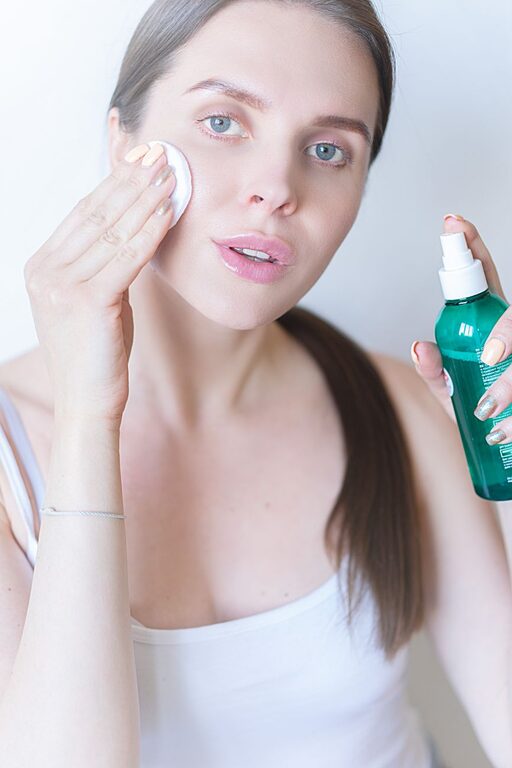
Starting a skincare routine can feel overwhelming, especially with so many products and advice available. However, a basic skincare routine doesn’t need to be complicated or time-consuming. By focusing on a few essential steps, you can keep your skin clean, moisturized, and protected. This guide will help you build a simple and effective skincare routine tailored for daily use.
Why Have a Skincare Routine?
A consistent skincare routine helps maintain the health and appearance of your skin. It can address concerns like dryness, oiliness, or occasional breakouts, and protect your skin from environmental damage. Establishing good habits early on can also slow down signs of aging and improve your overall skin texture.
Step 1: Know Your Skin Type
Before choosing products, it’s important to identify your skin type. This helps in selecting the right cleansers, moisturizers, and treatments.
– Normal skin: Balanced, not too oily or dry.
– Dry skin: Feels tight or flaky, especially after washing.
– Oily skin: Shiny appearance with larger pores and prone to breakouts.
– Combination skin: Oily in some areas (usually the T-zone) and dry or normal in others.
– Sensitive skin: Prone to redness, irritation, or reactions.
You can observe your skin throughout the day or try a simple test by gently pressing a blotting paper on different areas of your face and checking the oil level.
Step 2: Cleanse Twice Daily
Cleansing is the foundation of any skincare routine.
– Morning: Use a gentle cleanser to remove sweat and oil that accumulated overnight.
– Evening: Cleanse more thoroughly to wash away makeup, dirt, and pollutants from the day.
Choose a cleanser formulated for your skin type. For example, cream cleansers work well for dry skin, while gel cleansers are better for oily skin.
Tips for Effective Cleansing
– Use lukewarm water, not hot, to avoid drying out your skin.
– Avoid harsh scrubs or over-cleansing, which can damage your skin barrier.
– Gently massage the cleanser into your skin for about 30 seconds, then rinse and pat dry with a clean towel.
Step 3: Apply a Toner (Optional)
Toners can help balance your skin’s pH and remove any leftover residue. They also prepare your skin to absorb moisturizers better. If you choose to use a toner:
– Select an alcohol-free formula to avoid drying or irritating your skin.
– Apply toner with a cotton pad or your hands, gently pressing it into your skin.
Step 4: Moisturize Daily
Moisturizing keeps your skin hydrated and helps lock in moisture.
– Use a moisturizer suited to your skin type—for instance, lightweight, oil-free lotions for oily skin and richer creams for dry skin.
– Apply moisturizer while your skin is still slightly damp to help seal in hydration.
– Don’t forget to moisturize your neck and décolletage.
Step 5: Protect Your Skin with Sunscreen
Sun protection is essential for all skin types and ages.
– Apply a broad-spectrum sunscreen with at least SPF 30 every morning.
– Reapply every two hours if you are outdoors for an extended time.
– Sunscreen helps prevent sunburn, premature aging, and reduces the risk of skin cancer.
Even if it’s cloudy or you spend most of your day indoors, wearing sunscreen is beneficial.
Additional Tips for a Successful Routine
– Be consistent: Following your routine daily is the key to seeing results.
– Simplify your products: Start with basics before adding serums or treatments.
– Listen to your skin: If a product causes irritation, stop using it and try a gentler option.
– Stay hydrated and eat well: Healthy skin often reflects your overall lifestyle.
– Remove makeup before bed: Never sleep with makeup on to avoid clogged pores and irritation.
Sample Basic Skincare Routine
| Time | Step | Product Type |
|————|—————–|————————–|
| Morning | Cleanser | Gentle foaming cleanser |
| | Moisturizer | Lightweight moisturizer |
| | Sunscreen | SPF 30 or higher |
| Evening | Cleanser | Gentle cleanser or makeup remover |
| | Toner (optional)| Alcohol-free toner |
| | Moisturizer | Nourishing night cream |
When to See a Professional
If you have persistent skin concerns like acne, eczema, or unusual changes in your skin, it is best to consult a dermatologist. They can provide tailored advice and recommend treatments suited for your needs.
—
Creating a basic skincare routine is a manageable way to care for your skin and boost your confidence. Start with these simple steps, adjust as needed, and enjoy the process of nurturing your skin every day.
About the Author